
They do not need to be an HVAC expert to follow this. They just need a clear order of checks, a few basic tools, and a willingness to call a licensed technician when electrical or refrigerant work is involved.
Is their air conditioner ready for an Adelaide Hills summer?
Not always, even if it “worked fine last year”. In the Hills, big temperature swings, dust, pollen, and winter damp can quietly reduce performance.
A simple pre-summer run-through helps Hills air conditioning systems cool faster, use less power, and avoid urgent call-outs during the first heatwave.
Have they booked a pre-summer service early enough?
If they want a preferred appointment, they should book before the first consistent warm spell. For air conditioning in the hills, that often means organising servicing in spring, not during peak December demand.
For many households, a routine tune-up is the easiest way to protect Hills air conditioning performance and catch small issues before they become expensive repairs.
Have they cleaned or replaced the filters?
Clean filters are the quickest win for airflow and efficiency. For split systems and ducted returns, they should remove filters and follow the manufacturer’s cleaning instructions, then fully dry them before reinstalling.
If filters are torn, brittle, or won’t come clean, replacement is usually better. Neglected filters can make Hills air conditioning feel weak even when the unit is technically running.
Have they checked the indoor unit for dust, mould, or odours?
If the unit smells musty at start-up, it can point to moisture build-up, dirty coils, or a blocked drain. They can wipe accessible plastic surfaces and vents with a soft cloth, but they should not open sealed sections.
If odours persist, a licensed technician can deep-clean the coil and fan assembly. This improves indoor air quality and supports Hills air conditioning comfort during long run-times.
Have they cleared airflow around the outdoor unit?
Outdoor units need breathing space. They should remove leaves, twigs, and cobwebs as part of outdoor air conditioner maintenance, and trim nearby plants so there is clear airflow on all sides.
They should also check the slab or mounting brackets are stable and level. Restricted outdoor airflow forces the system to work harder, which can shorten lifespan for Hills air conditioning units during peak summer loads.
Are they confident the thermostat and controls are accurate?
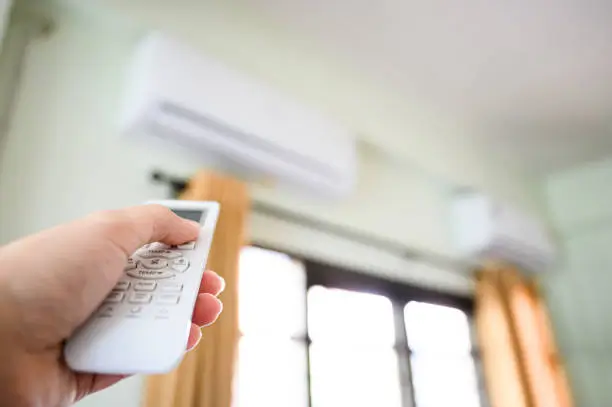
They can start with basic air conditioner troubleshooting by setting a target temperature and checking whether the system responds correctly within a few minutes. If the remote is unreliable, fresh batteries are the first step.
If temperatures feel inconsistent, the issue may be sensor placement, zoning settings, or calibration. Correct controls help Hills air conditioning avoid wasteful overcooling, especially overnight.
Have they tested cooling mode properly before the first hot day?
They should run the system on cooling for 15 to 20 minutes on a mild day. This confirms the compressor starts, air is cold, and there are no unusual noises.
They should also check that condensate is draining as expected. A calm test run is far better than discovering a fault at 6 pm on a 40°C day, which is when Hills air conditioning technicians are busiest.
Have they looked for signs of blocked drains or water leaks?
Water stains on walls, drips from the indoor unit, or wet patches near ducted returns can indicate a blocked condensate drain. They should switch the system off and arrange service if leaking continues.
Moisture problems can damage plaster, floors, and insulation. Addressing drains early supports reliable Hills air conditioning operation and protects the home.
Are their ducts, vents, and returns clear and in good condition?
For ducted systems, they should check that vents are open, unblocked by furniture, and not full of dust. Return air grilles should be clear too, since restricted returns can reduce overall airflow.
If they notice whistling, hot rooms, or uneven airflow, ducts may be leaking or out of balance. Proper airflow is the backbone of effective Hills air conditioning in multi-room homes.
Have they checked electrical safety and surge protection?
They should watch for warning signs such as tripping breakers, buzzing near isolators, or burning smells. They should not ignore these, and they should not attempt electrical repairs themselves.
In storm-prone periods, surge protection can help protect control boards. Electrical faults are a common cause of summer failures in Hills air conditioning, so early attention matters.
Do they know how to spot refrigerant or performance issues?
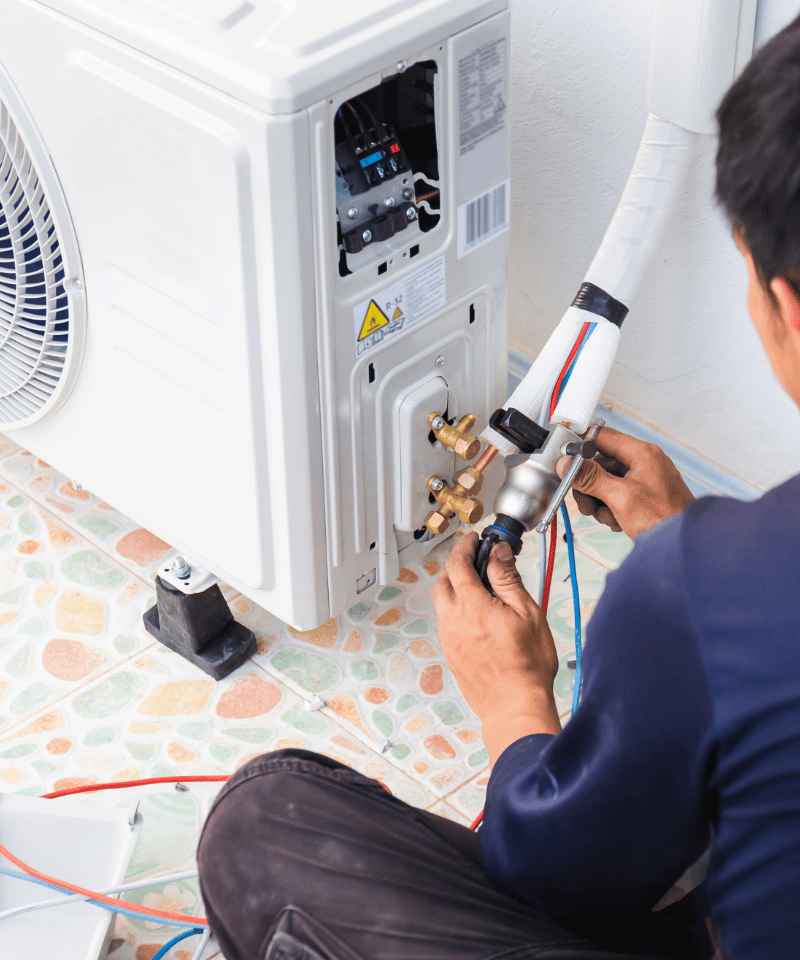
They cannot legally handle refrigerant without the right licence, but they can watch for symptoms. Weak cooling, hissing, frequent cycling, or icing on pipes can indicate a deeper issue.
If performance drops suddenly, they should stop pushing the unit harder and book a professional diagnosis. Early action can reduce damage and keep Hills air conditioning operating efficiently.
Have they reviewed energy-saving settings for long hot spells?
They can set realistic temperatures, often around the mid-20s, and use fan-only modes when conditions allow. Using timers helps avoid cooling empty rooms, especially for households commuting into Adelaide.
Ceiling fans used alongside air conditioning can improve comfort without overworking the system. Smart habits reduce bills and help Hills air conditioning cope during multi-day heat events.
Have they prepared the house for cooling, not just the unit?
They can reduce heat load by closing blinds on the sun-facing side, sealing obvious draughts, and shading western windows. In the Adelaide Hills, insulation and draught control are especially valuable because nights can cool down quickly.
If the building retains less heat, the system runs less. That makes Hills air conditioning feel stronger even without upgrades.
Should they consider a professional clean or preventative maintenance plan?
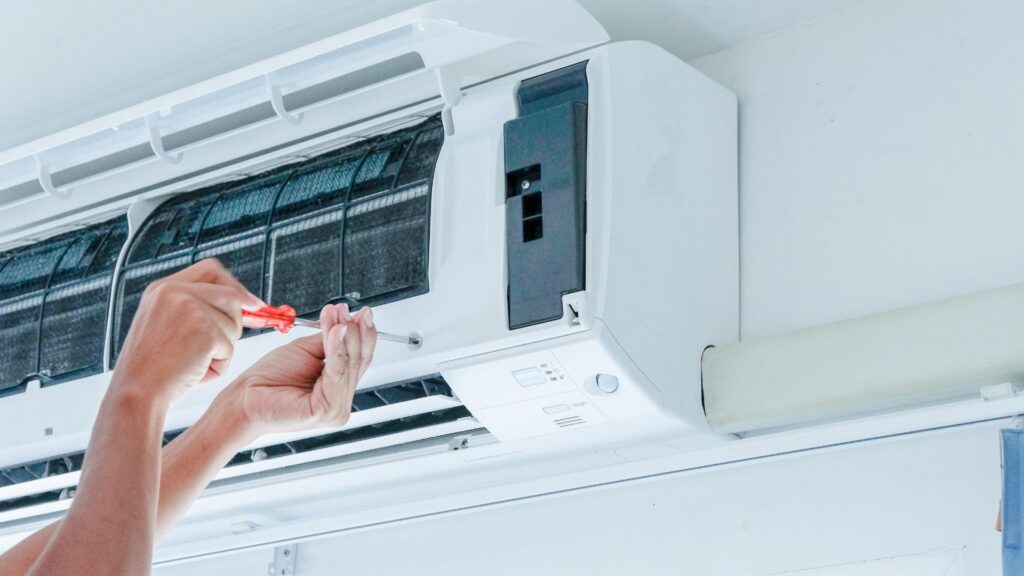
If they have pets, allergies, or heavy use, professional cleaning can be worth it before summer. Technicians can clean coils, confirm airflow, check capacitor health, tighten connections, and verify safe operation.
A simple annual plan also helps track performance changes over time. For many properties, this is the most reliable way to protect Hills air conditioning and avoid surprise failures.
What should they do if the system is old or struggling?
If the unit is frequently repaired, noisy, or slow to cool, they should compare repair costs with replacement value. They can ask for an efficiency assessment, especially when aircon repairs Hills District technicians see often are becoming more frequent or power bills have risen sharply.
Upgrading may also improve zoning, noise levels, and filtration. A well-sized modern system can transform Hills air conditioning comfort through Adelaide’s hottest weeks.
What is their quick pre-summer checklist they can screenshot?
They can use this short list to stay organised and reduce last-minute stress:
- Clean or replace filters
- Run cooling test for 15 to 20 minutes
- Clear outdoor unit and trim vegetation
- Check vents and returns for blockage
- Watch for leaks, odours, and unusual noises
- Confirm thermostat and remote function
- Book a professional service if anything seems off
Following it helps keep Hills air conditioning reliable before summer begins.
FAQs (Frequently Asked Questions)
How can I prepare my Hills air conditioning system for the Adelaide summer?
To prepare your Hills air conditioning system for summer, perform a pre-summer run-through including cleaning or replacing filters, checking indoor units for dust or mould, clearing airflow around outdoor units, testing thermostat accuracy, and running a cooling mode test. Booking a professional service in spring helps catch small issues early and ensures efficient performance during heatwaves.
When is the best time to book a pre-summer service for Hills air conditioning?
The best time to book a pre-summer service is before the first consistent warm spell, often in spring in South Australia. Early booking secures preferred appointments and allows technicians to perform routine tune-ups that protect system performance and prevent costly repairs during peak summer demand.
Why is cleaning or replacing filters important for Hills air conditioning systems?
Clean filters improve airflow and efficiency by allowing the system to cool faster and use less power. For split systems and ducted returns, follow manufacturer instructions to clean filters thoroughly and dry them before reinstalling. Replace filters if they are torn, brittle, or cannot be cleaned properly to avoid weak cooling performance.
What should I do if my indoor air conditioner unit smells musty or has odours?
Musty smells indicate moisture build-up, dirty coils, or blocked drains. You can wipe accessible plastic surfaces and vents with a soft cloth but avoid opening sealed sections. If odours persist, contact a licensed technician for deep cleaning of coils and fan assemblies to improve indoor air quality and maintain comfort during long run-times.
How can I ensure proper airflow around my outdoor Hills air conditioning unit?
Clear leaves, twigs, cobwebs, and trim nearby plants to maintain breathing space around all sides of the outdoor unit. Check that the mounting slab or brackets are stable and level. Proper airflow prevents the system from working harder than necessary, which extends its lifespan during peak summer loads.
What signs indicate electrical safety issues or refrigerant problems in Hills air conditioning units?
Warning signs include tripping breakers, buzzing noises near isolators, burning smells, weak cooling performance, hissing sounds, frequent cycling on/off, or icing on pipes. Do not attempt repairs yourself; instead, switch off the system if leaks occur and promptly book a licensed technician to diagnose and fix electrical faults or refrigerant issues.
Leave a Reply