Category: Uncategorized

Seasonal Checklist for Hills Air Conditioning Before Summer Begins

They do not need to be an HVAC expert to follow this. They just need a clear order of checks, a few basic tools, and a willingness to call a licensed technician when electrical or refrigerant work is involved.

Is their air conditioner ready for an Adelaide Hills summer?

Not always, even if it “worked fine last year”. In the Hills, big temperature swings, dust, pollen, and winter damp can quietly reduce performance.

A simple pre-summer run-through helps Hills air conditioning systems cool faster, use less power, and avoid urgent call-outs during the first heatwave.

Have they booked a pre-summer service early enough?

If they want a preferred appointment, they should book before the first consistent warm spell. For air conditioning in the hills, that often means organising servicing in spring, not during peak December demand.

For many households, a routine tune-up is the easiest way to protect Hills air conditioning performance and catch small issues before they become expensive repairs.

Have they cleaned or replaced the filters?

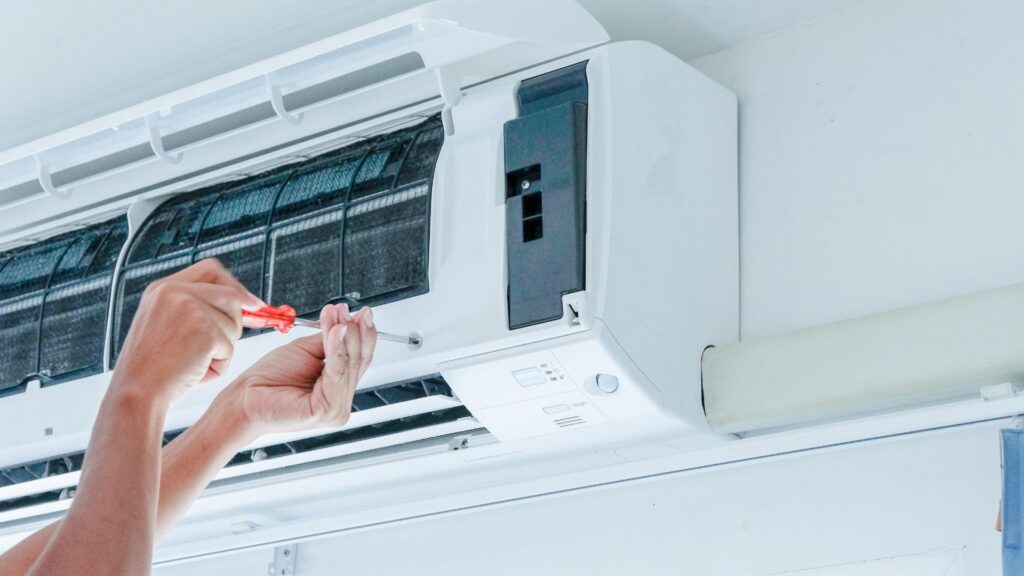
Clean filters are the quickest win for airflow and efficiency. For split systems and ducted returns, they should remove filters and follow the manufacturer’s cleaning instructions, then fully dry them before reinstalling.

If filters are torn, brittle, or won’t come clean, replacement is usually better. Neglected filters can make Hills air conditioning feel weak even when the unit is technically running.

Have they checked the indoor unit for dust, mould, or odours?

If the unit smells musty at start-up, it can point to moisture build-up, dirty coils, or a blocked drain. They can wipe accessible plastic surfaces and vents with a soft cloth, but they should not open sealed sections.

If odours persist, a licensed technician can deep-clean the coil and fan assembly. This improves indoor air quality and supports Hills air conditioning comfort during long run-times.

Have they cleared airflow around the outdoor unit?

Outdoor units need breathing space. They should remove leaves, twigs, and cobwebs as part of outdoor air conditioner maintenance, and trim nearby plants so there is clear airflow on all sides.

They should also check the slab or mounting brackets are stable and level. Restricted outdoor airflow forces the system to work harder, which can shorten lifespan for Hills air conditioning units during peak summer loads.

Are they confident the thermostat and controls are accurate?

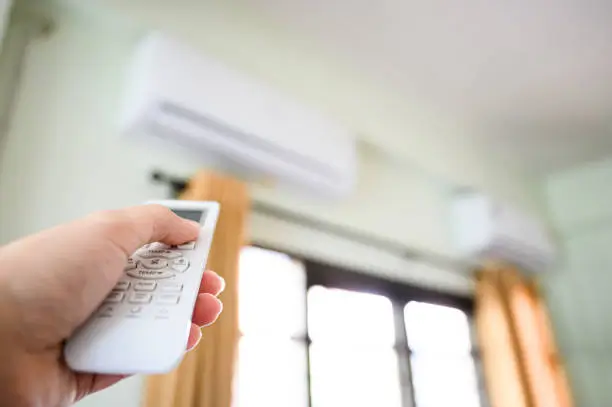
They can start with basic air conditioner troubleshooting by setting a target temperature and checking whether the system responds correctly within a few minutes. If the remote is unreliable, fresh batteries are the first step.

If temperatures feel inconsistent, the issue may be sensor placement, zoning settings, or calibration. Correct controls help Hills air conditioning avoid wasteful overcooling, especially overnight.
Seasonal Checklist for Hills Air Conditioning Before Summer Begins

Have they tested cooling mode properly before the first hot day?

They should run the system on cooling for 15 to 20 minutes on a mild day. This confirms the compressor starts, air is cold, and there are no unusual noises.

They should also check that condensate is draining as expected. A calm test run is far better than discovering a fault at 6 pm on a 40°C day, which is when Hills air conditioning technicians are busiest.

Have they looked for signs of blocked drains or water leaks?

Water stains on walls, drips from the indoor unit, or wet patches near ducted returns can indicate a blocked condensate drain. They should switch the system off and arrange service if leaking continues.

Moisture problems can damage plaster, floors, and insulation. Addressing drains early supports reliable Hills air conditioning operation and protects the home.

Are their ducts, vents, and returns clear and in good condition?

For ducted systems, they should check that vents are open, unblocked by furniture, and not full of dust. Return air grilles should be clear too, since restricted returns can reduce overall airflow.

If they notice whistling, hot rooms, or uneven airflow, ducts may be leaking or out of balance. Proper airflow is the backbone of effective Hills air conditioning in multi-room homes.

Have they checked electrical safety and surge protection?

They should watch for warning signs such as tripping breakers, buzzing near isolators, or burning smells. They should not ignore these, and they should not attempt electrical repairs themselves.

In storm-prone periods, surge protection can help protect control boards. Electrical faults are a common cause of summer failures in Hills air conditioning, so early attention matters.

Do they know how to spot refrigerant or performance issues?

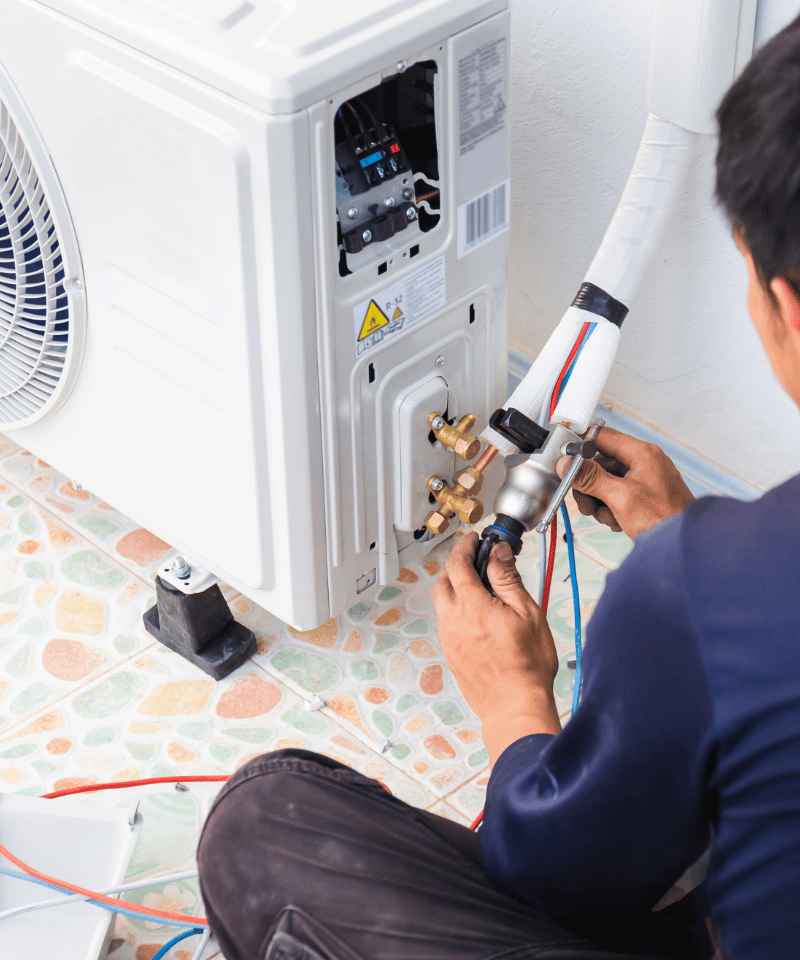
They cannot legally handle refrigerant without the right licence, but they can watch for symptoms. Weak cooling, hissing, frequent cycling, or icing on pipes can indicate a deeper issue.

If performance drops suddenly, they should stop pushing the unit harder and book a professional diagnosis. Early action can reduce damage and keep Hills air conditioning operating efficiently.

Have they reviewed energy-saving settings for long hot spells?

They can set realistic temperatures, often around the mid-20s, and use fan-only modes when conditions allow. Using timers helps avoid cooling empty rooms, especially for households commuting into Adelaide.

Ceiling fans used alongside air conditioning can improve comfort without overworking the system. Smart habits reduce bills and help Hills air conditioning cope during multi-day heat events.

Have they prepared the house for cooling, not just the unit?

They can reduce heat load by closing blinds on the sun-facing side, sealing obvious draughts, and shading western windows. In the Adelaide Hills, insulation and draught control are especially valuable because nights can cool down quickly.

If the building retains less heat, the system runs less. That makes Hills air conditioning feel stronger even without upgrades.

Should they consider a professional clean or preventative maintenance plan?

If they have pets, allergies, or heavy use, professional cleaning can be worth it before summer. Technicians can clean coils, confirm airflow, check capacitor health, tighten connections, and verify safe operation.

A simple annual plan also helps track performance changes over time. For many properties, this is the most reliable way to protect Hills air conditioning and avoid surprise failures.

What should they do if the system is old or struggling?

If the unit is frequently repaired, noisy, or slow to cool, they should compare repair costs with replacement value. They can ask for an efficiency assessment, especially when aircon repairs Hills District technicians see often are becoming more frequent or power bills have risen sharply.

Upgrading may also improve zoning, noise levels, and filtration. A well-sized modern system can transform Hills air conditioning comfort through Adelaide’s hottest weeks.

What is their quick pre-summer checklist they can screenshot?

They can use this short list to stay organised and reduce last-minute stress:

  • Clean or replace filters
  • Run cooling test for 15 to 20 minutes
  • Clear outdoor unit and trim vegetation
  • Check vents and returns for blockage
  • Watch for leaks, odours, and unusual noises
  • Confirm thermostat and remote function
  • Book a professional service if anything seems off

Following it helps keep Hills air conditioning reliable before summer begins.
Seasonal Checklist for Hills Air Conditioning Before Summer Begins

FAQs (Frequently Asked Questions)

How can I prepare my Hills air conditioning system for the Adelaide summer?

To prepare your Hills air conditioning system for summer, perform a pre-summer run-through including cleaning or replacing filters, checking indoor units for dust or mould, clearing airflow around outdoor units, testing thermostat accuracy, and running a cooling mode test. Booking a professional service in spring helps catch small issues early and ensures efficient performance during heatwaves.

When is the best time to book a pre-summer service for Hills air conditioning?

The best time to book a pre-summer service is before the first consistent warm spell, often in spring in South Australia. Early booking secures preferred appointments and allows technicians to perform routine tune-ups that protect system performance and prevent costly repairs during peak summer demand.

Why is cleaning or replacing filters important for Hills air conditioning systems?

Clean filters improve airflow and efficiency by allowing the system to cool faster and use less power. For split systems and ducted returns, follow manufacturer instructions to clean filters thoroughly and dry them before reinstalling. Replace filters if they are torn, brittle, or cannot be cleaned properly to avoid weak cooling performance.

What should I do if my indoor air conditioner unit smells musty or has odours?

Musty smells indicate moisture build-up, dirty coils, or blocked drains. You can wipe accessible plastic surfaces and vents with a soft cloth but avoid opening sealed sections. If odours persist, contact a licensed technician for deep cleaning of coils and fan assemblies to improve indoor air quality and maintain comfort during long run-times.

How can I ensure proper airflow around my outdoor Hills air conditioning unit?

Clear leaves, twigs, cobwebs, and trim nearby plants to maintain breathing space around all sides of the outdoor unit. Check that the mounting slab or brackets are stable and level. Proper airflow prevents the system from working harder than necessary, which extends its lifespan during peak summer loads.

What signs indicate electrical safety issues or refrigerant problems in Hills air conditioning units?

Warning signs include tripping breakers, buzzing noises near isolators, burning smells, weak cooling performance, hissing sounds, frequent cycling on/off, or icing on pipes. Do not attempt repairs yourself; instead, switch off the system if leaks occur and promptly book a licensed technician to diagnose and fix electrical faults or refrigerant issues.
Common Reasons Behind Aircon Repairs Hills District Technicians See Often

This guide breaks down the most common reasons aircon repairs Hills District teams are asked to attend, what they typically find on arrival, and what property owners can do next.

Why do filters cause so many breakdowns?

Dirty filters are one of the most frequent triggers of aircon repairs Hills District callouts. They restrict airflow, making the system work harder and sometimes shutting down to protect itself.

Technicians often find filters clogged with dust, pet hair, and renovation debris. In the Hills District, pollen and fine dust can add up fast, particularly in spring and during dry periods, making hills district aircon repairs more likely when airflow becomes restricted.

Why do air conditioners stop cooling properly?

Loss of cooling is a classic reason people book aircon repairs Hills District visits. The issue is often airflow related, a control setting problem, or a refrigerant fault.

Technicians usually start by checking return air temperature, indoor coil condition, and fan operation. They may also confirm the unit is sized appropriately for the room, since undersized systems struggle during 35°C plus days.

Why are refrigerant leaks such a common issue?

Refrigerant leaks can lead to weak cooling, ice build-up, or compressor stress, which is why they feature heavily in aircon repairs Hills District work. Leaks often develop slowly from vibration, corrosion, or poor flare connections.

In Australia, licensed technicians must handle refrigerant under strict rules. A proper repair usually involves finding the leak, fixing it, pressure testing, and recharging to the correct specification rather than simply “topping up”.

Why do blocked drains and water leaks happen indoors?

Indoor water leaks are a frequent reason for aircon repairs Hills District bookings, especially in humid weather. When condensate drains block, water backs up into the indoor unit and can drip onto walls, flooring, or cabinetry.

Technicians commonly find algae growth in drain lines, sagging hoses, or cracked drain trays. Split systems installed in tight roof spaces can also develop drainage issues if the fall is insufficient.

Why do outdoor units fail during heatwaves?

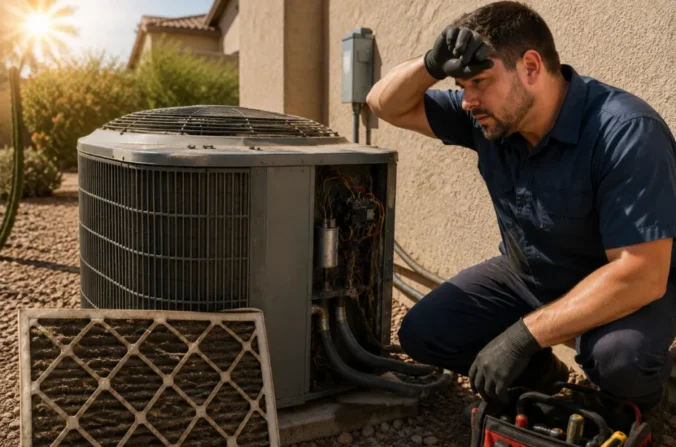
Heatwaves push systems to their limits, so outdoor air conditioning unit maintenance becomes especially important during extended hot spells. Outdoor coils can struggle to reject heat when airflow is poor or the unit is exposed to full sun, increasing the risk of performance issues and unexpected breakdowns.

Technicians often find blocked coils from dust and leaf litter, failing condenser fans, or capacitors weakened over time. In some cases, inadequate clearances around the unit cause hot air recirculation and performance drops.

Common Reasons Behind Aircon Repairs Hills District Technicians See Often

Why do electrical faults keep showing up?

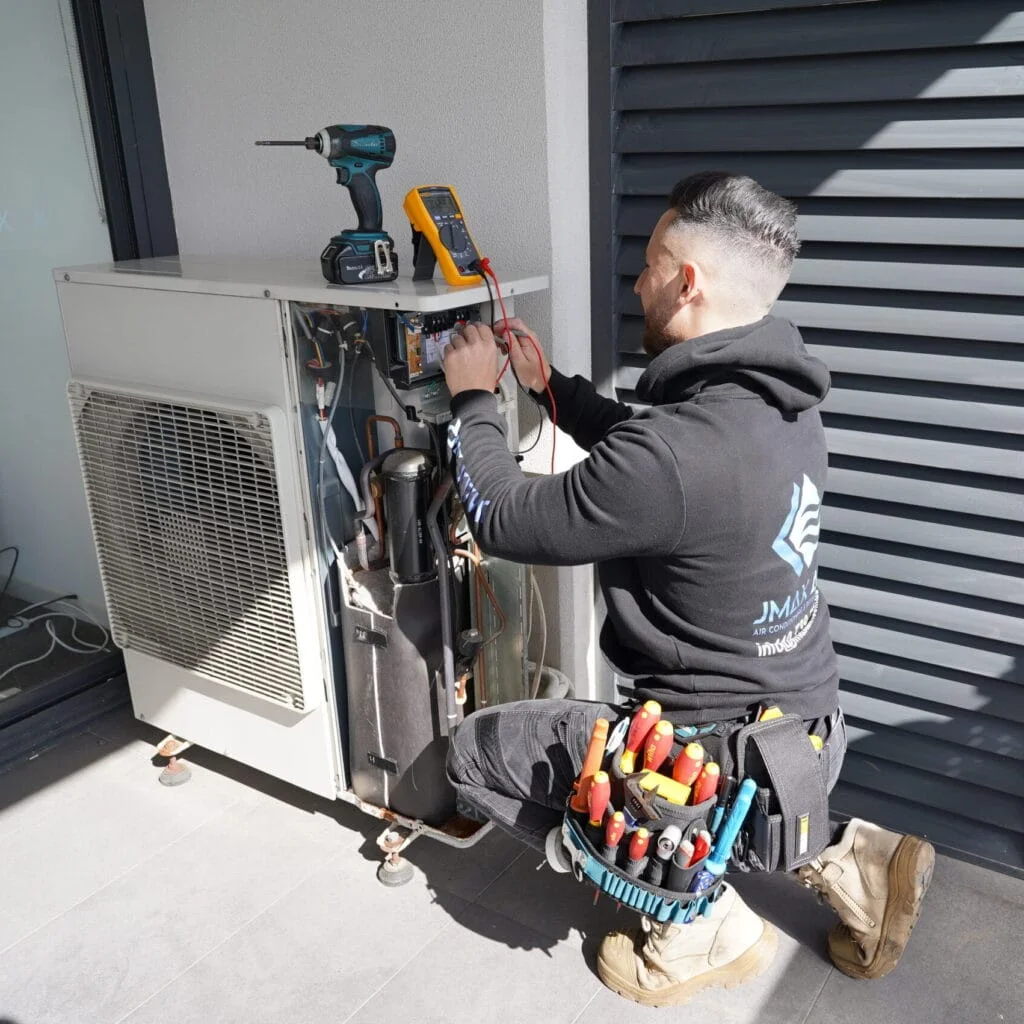
Electrical issues are a major driver of aircon repairs Hills District callouts because they can prevent start-up entirely. Common culprits include worn capacitors, loose terminals, contactor problems, or damaged wiring.

Technicians typically check voltage supply, isolation switches, and safety cut-outs first. In older homes, they may also flag undersized circuits or switchboard concerns that need a licensed electrician.

Why do thermostats and sensors cause strange behaviour?

Faulty sensors can make a system short cycle, run continuously, or misread room temperature, so air conditioner sensor problems can sometimes lead to confusing performance issues. A small sensor fault may mimic a much larger breakdown, making proper testing important before major repairs are recommended.

Technicians may find a dislodged indoor sensor, a failing controller, or poor indoor unit placement near heat sources. They also check for blocked return air paths that trick the unit into thinking the room is warmer than it is.

Why do compressors fail, and is it always the compressor’s fault?

Compressor failure is one of the most expensive reasons people need aircon repairs Hills District assistance. However, technicians often confirm whether a compressor is truly dead or if another component is preventing it from running.

Common upstream causes include capacitor failure, low refrigerant, electrical supply issues, or dirty coils raising head pressure. When compressors do fail, it is often due to long-term stress rather than a sudden event.

Why do air conditioners make loud noises or vibrate?

Noise complaints lead to plenty of aircon repairs Hills District visits, particularly for outdoor units near bedrooms or neighbour fences. Rattles, buzzing, grinding, or whistling can signal anything from a loose panel to a failing fan motor.

Technicians usually check mounting brackets, rubber feet, fan blades, and coil condition. They may also look for pipework touching frames, which can transmit vibration through walls.

Why does airflow feel weak in some rooms?

Weak airflow is a common reason technicians get called for aircon repairs Hills District work, especially in multi-room homes. The cause is often dirty filters, blocked coils, fan issues, or poor placement and zoning.

For ducted systems, technicians may inspect flexible duct runs, crushed sections, disconnected joints, and restrictive grilles. They may also identify balancing issues where one zone gets most of the air.

Why do ducted systems struggle more than expected?

Ducted setups can deliver great comfort, but they also create more points of failure, which increases aircon repairs Hills District demand. Issues can come from zoning controls, dampers, duct leaks, or undersized returns.

Technicians often find air loss in roof spaces, especially where ducts have aged or been moved during electrical or insulation work. They also check that the system’s static pressure is within acceptable limits.

Why do older systems break down more often?

Age is a strong predictor of repair frequency, so aircon repairs Hills District teams regularly attend older units in established suburbs. Wear builds up in motors, capacitors, bearings, and electrical connections.

Technicians also see older systems running on outdated refrigerants or parts that are harder to source. When repair costs stack up, they may suggest comparing ongoing repairs versus replacement, especially if efficiency has dropped.

Why do poor installations create repeat repairs?

Installation quality heavily influences breakdown rates, and technicians see many aircon repairs Hills District cases rooted in earlier shortcuts. Problems include incorrect pipe sizing, poor flare work, under or overcharging refrigerant, and messy drainage runs.

They also find indoor units mounted with poor fall, outdoor units placed without airflow clearance, and cable terminations that loosen over time. Fixing these foundational issues can reduce repeat callouts.

Why does skipping maintenance lead to emergencies?

Many breakdowns are preventable, which is why technicians often link aircon repairs Hills District emergencies to missed servicing. Small issues like dirty coils, early capacitor wear, or minor drainage problems can escalate in peak season.

A routine service typically includes cleaning, airflow checks, electrical testing, drain inspection, and performance verification. For Hills District households, servicing before summer is a practical way to reduce hot-day failures.

Common Reasons Behind Aircon Repairs Hills District Technicians See Often

What should property owners do before booking a technician?

Before arranging aircon repairs Hills District support, they can check a few basics safely. They should confirm the remote batteries, thermostat mode, temperature setpoint, and that power is on at the isolator switch.

They can also inspect filters for visible blockage and clear obvious debris around the outdoor unit. As part of a seasonal checklist for Hills air conditioning, they should also watch for warning signs such as water leaks, tripping power, or burning smells. If any of these occur, they should stop using the unit and arrange professional help.

When is replacement more sensible than repair?

Sometimes aircon repairs Hills District work reveals that replacement is the better value. This often applies when major components fail in older units, efficiency is poor, or parts are unavailable.

Technicians typically weigh unit age, repair history, warranty status, and expected energy use. In Australian conditions, an upgraded system can improve comfort and reduce running costs, especially for homes that rely on air conditioning year-round.

What patterns do Hills District technicians notice most often?

Across the region, aircon repairs Hills District technicians most often trace faults back to airflow restriction, electrical wear, and drainage issues. These problems build slowly, then show up as sudden failures on the hottest or coldest days.

Their most consistent advice is simple: keep filters clean, give outdoor units breathing space, and service ahead of summer. Those steps will not prevent every fault, but they significantly reduce the odds of an urgent breakdown.

FAQs (Frequently Asked Questions)

Why are dirty filters a common cause of aircon repairs in the Hills District?

Dirty filters restrict airflow, forcing the air conditioning system to work harder and sometimes causing it to shut down to protect itself. In the Hills District, filters often clog with dust, pet hair, renovation debris, pollen, and fine dust, especially during spring and dry periods.

What causes air conditioners in the Hills District to stop cooling properly?

Loss of cooling is often due to airflow issues, incorrect control settings, or refrigerant faults. Technicians check return air temperature, indoor coil condition, fan operation, and ensure the unit is properly sized for the room since undersized systems struggle during extreme heat.

Why are refrigerant leaks frequently encountered in Hills District aircon repairs?

Refrigerant leaks usually develop slowly due to vibration, corrosion, or poor flare connections. These leaks lead to weak cooling, ice build-up, or compressor stress. Licensed technicians handle refrigerant repairs by locating leaks, fixing them, pressure testing, and recharging according to specifications rather than simply topping up.

What causes blocked drains and indoor water leaks in Hills District air conditioners?

Indoor water leaks often result from blocked condensate drains caused by algae growth in drain lines, sagging hoses, or cracked drain trays. Split systems installed in tight roof spaces can also have drainage issues if there is insufficient fall for proper drainage.

Why do outdoor air conditioning units fail more during heatwaves in the Hills District?

Heatwaves push outdoor units to their limits. Common issues include blocked coils from dust and leaf litter reducing heat rejection, failing condenser fans or capacitors weakened over time, and inadequate clearances causing hot air recirculation that lowers performance.

What electrical faults commonly cause aircon repairs in the Hills District?

Electrical problems such as worn capacitors, loose terminals, contactor issues, or damaged wiring can prevent system start-up. Technicians check voltage supply, isolation switches, safety cut-outs and may identify undersized circuits or switchboard concerns needing a licensed electrician’s attention.