
This guide explains the basics in practical terms so teams can talk clearly with engineers, suppliers, and inspectors.
What do rebar “sizes” actually mean?
Reobar size is a standardized way to describe the diameter of Reobars. On many jobs, the crew will hear references to #3, #4, and #5 Reobars, and those numbers map to specific diameters (and therefore weight and cross-sectional area).
In the U.S. bar-number system, the bar number roughly relates to diameter in eighths of an inch. For example, a #4 Reobar is about 4/8 inch, or 1/2 inch, in diameter. Common Reobar sizes include #3 (3/8 inch), #4 (1/2 inch), #5 (5/8 inch), and #6 (3/4 inch).).
Why does rebar size matter in real builds?
Size controls how much steel area is available to resist tension, and it affects spacing, congestion, and constructability. A “bigger bar” can reduce bar count, but it can also make placement harder, especially at laps, corners, and around embeds.
It also changes bending behavior. Larger bars have larger bend diameters and may not fit in tight beam-column joints or heavily reinforced footings without rework.
How do builders choose between more small bars and fewer large bars?
They should treat it as a tradeoff between strength, spacing, and placement risk. More small bars usually improve distribution and reduce cracking potential, but they can increase tying time and congestion.
Fewer large bars can simplify counting and may reduce labor, but they can make concrete consolidation harder and increase the chance of honeycombing if clear spacing is tight. The final call typically belongs to the structural drawings and code requirements.
What is the difference between rebar grade and strength?
Grade refers to minimum yield strength, commonly expressed in ksi (thousands of pounds per square inch). If a bar is Grade 60, it has a minimum yield strength of 60 ksi.
Yield strength is the point where steel starts to deform permanently. Designers use it to size reinforcement, so switching grades without approval can change how the structure behaves.
What are the most common rebar grades builders see?
On many U.S. projects, Grade 60 is the everyday standard for reinforced concrete. Grade 40 still appears in some legacy details, while higher-strength bars like Grade 75 or Grade 80 may show up in specific designs.
They should confirm what the project specifications allow. Some engineers permit multiple grades with conditions, while others require a single grade for consistency and inspection clarity.
Other resources : Reo Bar vs Reobars: Understanding Reinforcement Standards
Can builders substitute a higher grade rebar “to be safe”?
Not automatically. Higher grade does not always mean it is acceptable as a field swap, because development length, lap splices, ductility requirements, and seismic detailing rules can change.
If they want to substitute, they should route it through the engineer of record and follow the project’s substitution process. Inspectors typically expect the grade shown on the drawings and mill certs that match the approved submittal.
What do rebar markings tell them on site?
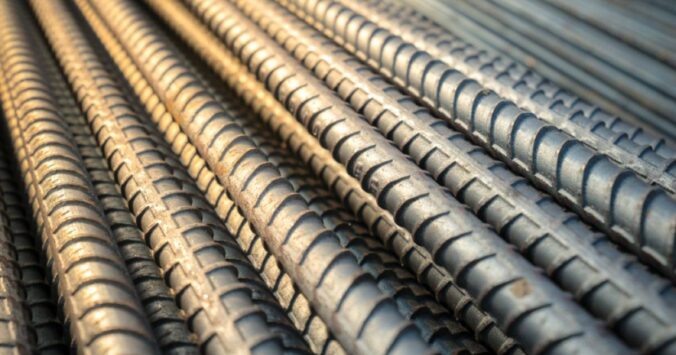
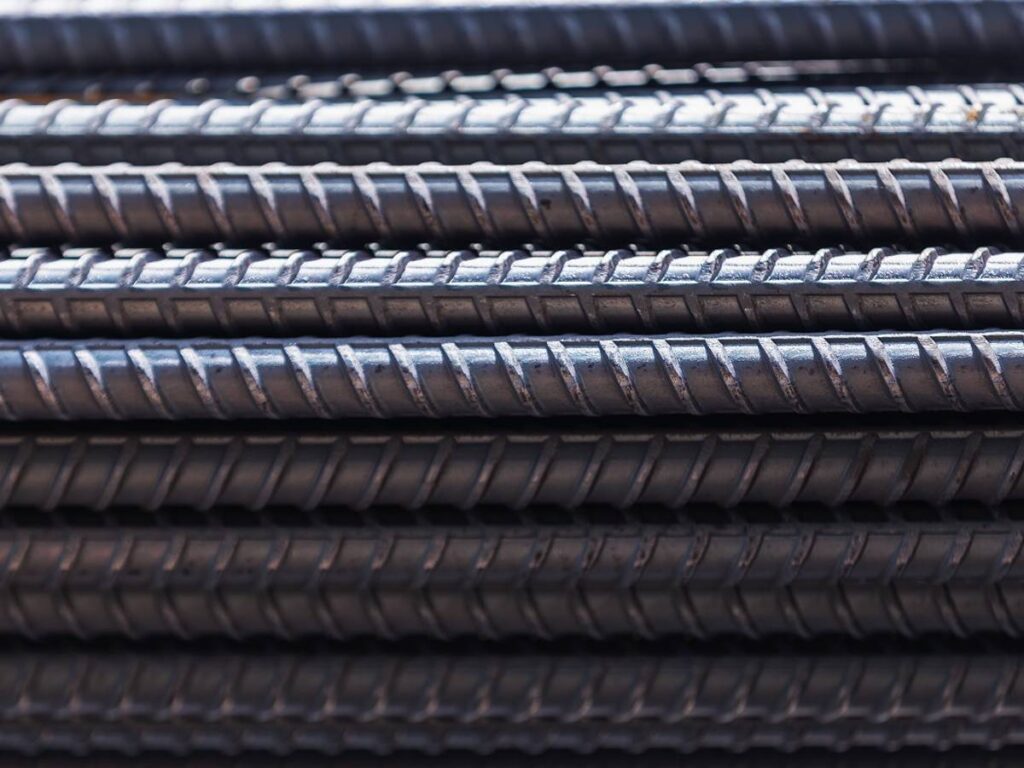
Most rebar has rolled-in markings that identify the manufacturer, bar size, steel type, and grade. Those marks help inspectors confirm the steel matches the approved documents.
They should train forepersons to recognize the basics: size mark, grade mark, and the producing mill symbol. When bundles get mixed, those markings are often the fastest way to sort bars before placement.
How do ASTM standards relate to grades and properties?
In the U.S., the grade is usually tied to an ASTM specification such as ASTM A615 or ASTM A706. The spec affects more than yield strength, including chemistry and weldability expectations.
A706 is commonly used where weldability and ductility are important, especially in seismic detailing. A615 is widely used in general reinforced concrete, but it may have limitations for welding and certain performance demands.
What is the practical difference between A615 and A706 rebar?
A706 is manufactured with tighter controls that support better weldability and ductility. That matters when details call for welded connections, seismic energy dissipation, or stricter bending performance.
A615 is common and cost-effective, but welding it can be restricted unless procedures and testing confirm acceptable performance. If drawings call for “weldable rebar,” they should verify the spec, not just the grade number.
How do bar size and grade affect lap splices and development length?
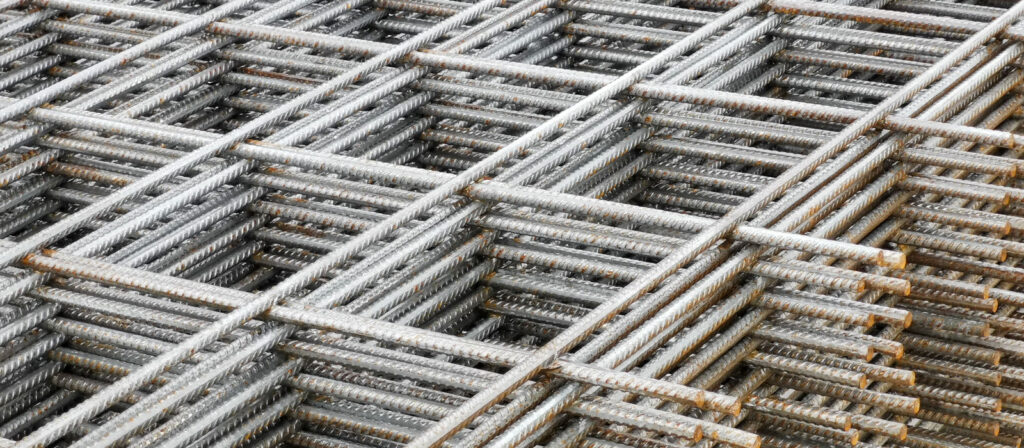
Both size and grade influence how long a bar needs to be embedded or lapped to safely transfer forces into concrete. Larger bars and higher grades often require longer development or splice lengths, depending on the design assumptions.
That is why “same diameter but higher grade” is not a simple swap. If they shorten laps to make placement easier, they can unintentionally remove required capacity.
What should they watch for when ordering and receiving rebar?
They should confirm three things at minimum: bar sizes, grade/spec (for example, Grade 60 A615 vs Grade 60 A706), and any special requirements such as epoxy coating, galvanizing, or bend schedules.
At delivery, they should check bundle tags against the bar list and keep mill test reports available for inspection. Tag control matters, because mixed bundles become an expensive sorting problem once they are offloaded.
How can builders avoid common rebar size and grade mistakes?
They can prevent most issues by aligning drawings, bar lists, and field placement checks before concrete day. A short pre-pour review of laps, bends, spacing, and bar marks can stop last-minute cutting and patchwork.
They should also avoid informal substitutions and undocumented “equivalents.” If something does not match, the cleanest path is an RFI, a clear approval, and updated paperwork that everyone on site can follow.
FAQs (Frequently Asked Questions)
What do rebar sizes like #3, #4, and #5 represent?
Rebar sizes are standardized numbers that indicate the bar’s diameter in eighths of an inch. For example, a #4 rebar is about 4/8 inch or 1/2 inch in diameter. These sizes correspond to specific diameters, weights, and cross-sectional areas important for design and placement.
Why is choosing the correct rebar size important in construction?
Rebar size affects the amount of steel area available to resist tension forces in concrete. It also influences spacing, congestion during placement, bending behavior, and constructability. Larger bars reduce bar count but may complicate placement at laps, corners, and embeds due to larger bend diameters.
How should builders decide between using more small bars versus fewer large bars?
Builders must balance strength requirements, spacing constraints, and placement risks. More small bars distribute stress better and reduce cracking potential but increase tying time and congestion. Fewer large bars simplify labor but can cause concrete consolidation challenges if spacing is tight. The structural drawings and codes ultimately guide this choice.
What does rebar grade mean and how does it relate to strength?
Rebar grade specifies the minimum yield strength of the steel, usually expressed in ksi (thousands of pounds per square inch). For instance, Grade 60 means a minimum yield strength of 60 ksi. Yield strength indicates when steel begins permanent deformation and is critical for sizing reinforcement correctly.
Can builders substitute a higher grade rebar without approval?
No, substituting higher grade rebar isn’t automatically acceptable because factors like development length, lap splices, ductility needs, and seismic detailing can change with grade. Any substitution must be approved by the engineer of record following project procedures to ensure safety and compliance.
How do ASTM standards like A615 and A706 affect rebar selection?
ASTM standards define chemical composition, mechanical properties, weldability, and ductility requirements for rebar grades. A706 is designed for better weldability and ductility suitable for seismic detailing or welded connections. A615 is common for general use but has limitations on welding unless proper procedures are followed.