
This guide clears up what each term usually refers to, which standards matter, and what to check before they specify or buy reinforcement.
What do “reo bar” and “reobars” actually mean?
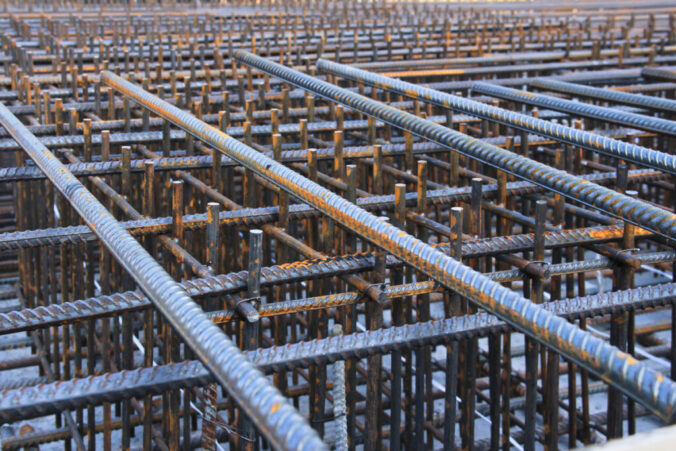
They typically refer to reinforcing steel bar, also called rebar, used to strengthen concrete. “Reo bar” is common in Australia and New Zealand, while “reobars” is just the plural form used in conversation and listings.
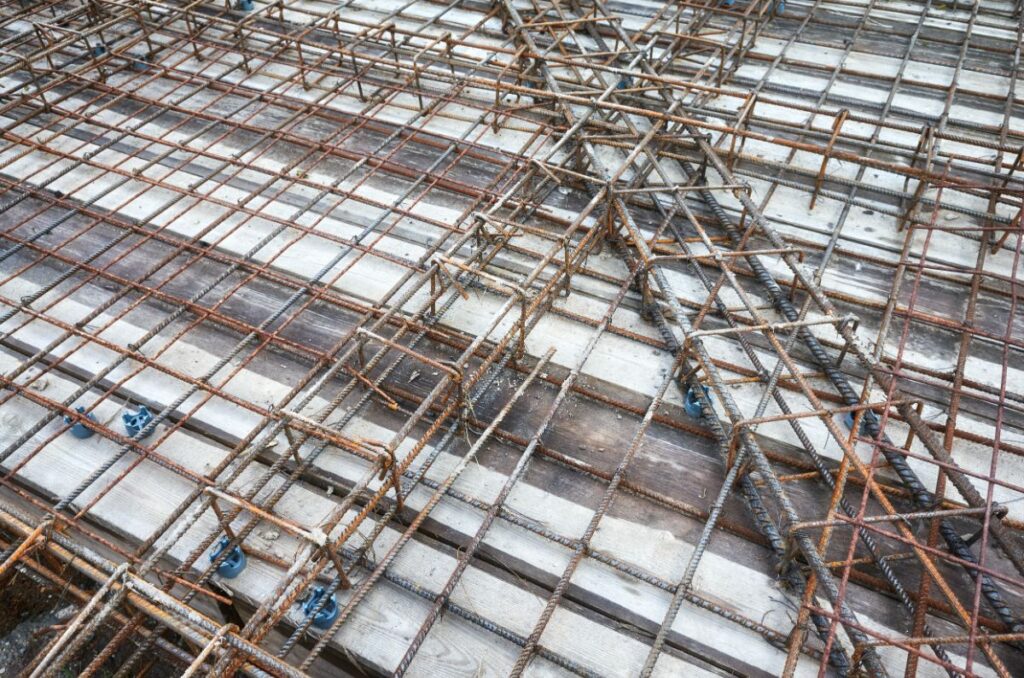
If a supplier uses “Reobars” as a product label, it can look like a distinct category. Most of the time, it is still standard reinforcing bar, sold in straight lengths or supplied alongside site mesh for slab and footing reinforcement. bar.
Are “Reobars” ever a brand rather than a product type?
Yes, “Reobars” can appear as a brand name, website category, or distributor label. That does not automatically indicate a different standard, grade, or performance level.
They should treat it like any other listing. The real meaning is in the specification: standard number, grade, diameter, mass per metre, and whether it is ribbed (deformed) or plain.
Which reinforcement standards matter more than the name?
The standard matters because it defines properties such as yield strength, ductility, dimensions, rib geometry, and test methods. The name on a quote does not guarantee compliance.
They should look for the governing standard used in their region and the project documentation. For example, Australia commonly references AS/NZS 4671 for reinforcing steel, while other regions may use ASTM or EN standards.To learn more about reinforcement standards click the link below: https://www.standards.org.au/
How do grades and ductility classes change what they should order?
Grades and ductility classes change how the bar behaves under load, especially in seismic or high-ductility design. Two bars with the same diameter can perform very differently if their grade or ductility class differs.
They should match the structural design notes, not just the diameter. If the drawings specify a ductility class (often tied to seismic detailing), substituting a different class can create compliance and performance issues.
What is the practical difference between deformed (ribbed) and plain bars?
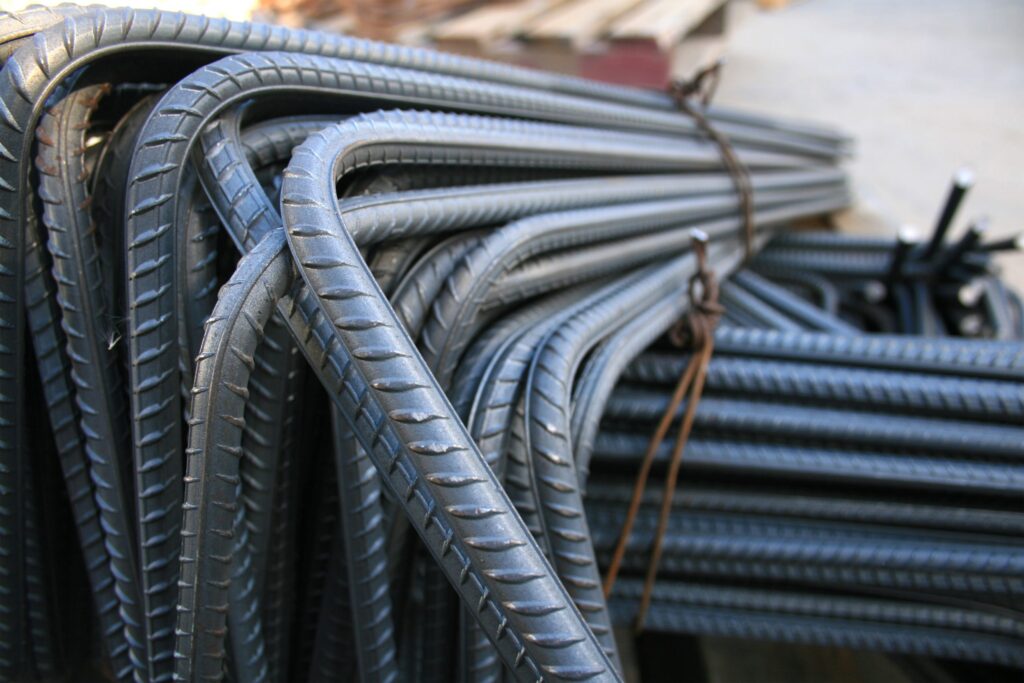
Deformed bars have ribs that improve bond with concrete, so they resist pull-out and transfer stress more effectively. Plain bars are smooth and generally used for specific applications like dowels, ties, or where bond is not relied on in the same way.
If a listing says “reo bar” without stating deformed or plain, they should confirm it. Most structural reinforcement is deformed, but assumptions cause costly mistakes.
How can they verify a “reo bar” or “Reobars” listing is compliant?
They can verify compliance by checking documentation and markings rather than product naming. The goal is to confirm traceability from the mill to the site.
They should ask for:
- Mill test certificate or test report to the relevant standard
- Grade and ductility class confirmation
- Bar markings or identification system details
- Supplier declaration of conformity
- Heat number traceability, when required by the project
If the supplier cannot provide these, it is a red flag even if the price looks good.
What common purchasing mistakes happen when people treat the terms as different?
The most common mistake is ordering by nickname instead of by specification. That leads to the wrong grade, wrong ductility class, or the wrong bar type being delivered.
They also often miss practical details like:
- Diameter tolerances and actual mass per metre
- Compatibility with couplers, anchors, and proprietary systems
- Bendability and minimum bend radii for detailing
- Whether it is weldable under the applicable rules
These issues rarely show up until fabrication or inspection.
What should they put on a purchase order to avoid ambiguity?
They should specify reinforcement the way an engineer and a certifier will read it. That usually means standard, grade, ductility, size, and form.
A strong purchase description includes:
- Standard (for example, AS/NZS, ASTM, or EN as applicable)
- Grade and ductility class
- Bar type (deformed or plain)
- Nominal diameter and required lengths
- Any coating or corrosion protection requirements
- Certification requirements (test certificates, declarations)
If they only write “reo bar” or “reobars,” they invite substitutions.
How should they decide between suppliers when both sell “reo bar”?
They should choose based on compliance evidence, traceability, and consistency, not on the label. A cheaper bar is not cheaper if it fails inspection or cannot be traced to a compliant heat.
They should also consider lead times, cutting and bending capabilities, and whether the supplier understands the project’s documentation requirements. The best supplier is usually the one who can prove compliance quickly and repeatedly.
What is the simplest way to explain “reo bar vs Reobars” to a client?
They can explain that both terms usually mean the same reinforcing steel, but the standard and grade define what it actually is. The safest approach is to ignore the nickname and specify the standard, grade, ductility, and diameter.
If they do that, “reo bar” and “reobars” stop being confusing terms and become just different ways people talk about the same product.
FAQs (Frequently Asked Questions)
What do the terms “reo bar” and “reobars” mean in construction?
“Reo bar” and “reobars” typically refer to steel reinforcing bars, commonly known as rebar, used to strengthen concrete structures. “Reo bar” is a term commonly used in Australia and New Zealand, while “reobars” is simply the plural form used in conversation and product listings. Both usually denote the same standard reinforcing steel product.
Are “Reobars” ever a brand name instead of a product type?
Yes, “Reobars” can sometimes be used as a brand name, website category, or distributor label. However, this does not imply a different standard, grade, or performance level. It’s important to focus on the actual specifications such as standard number, grade, diameter, mass per metre, and whether the bars are ribbed (deformed) or plain.
Which reinforcement standards should I consider when specifying reo bars?
Reinforcement standards are crucial because they define properties like yield strength, ductility, dimensions, rib geometry, and test methods. The product name alone does not guarantee compliance. For example, Australia commonly references AS/NZS 4671 for reinforcing steel. Other regions may use ASTM or EN standards. Always refer to the governing standard relevant to your region and project documentation.
How do grades and ductility classes affect the choice of reo bars?
Grades and ductility classes determine how reinforcing bars behave under load, especially in seismic or high-ductility designs. Two bars with the same diameter can perform very differently if their grade or ductility class varies. It is essential to match the structural design requirements rather than ordering based solely on diameter to ensure compliance and structural integrity.
What is the difference between deformed (ribbed) and plain reo bars?
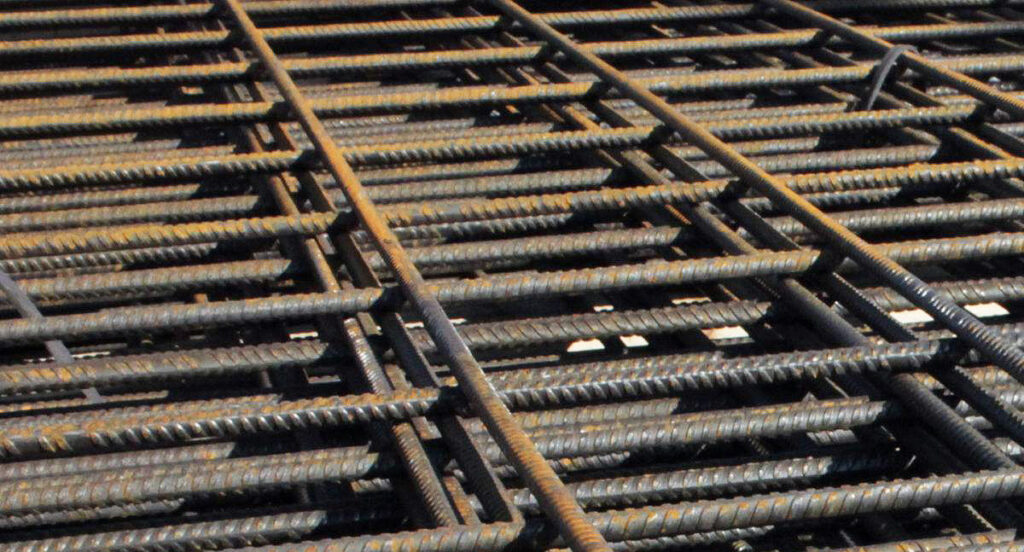
Deformed bars have ribs that improve bonding with concrete, helping resist pull-out forces and effectively transferring stress. Plain bars are smooth and typically used for specific purposes like dowels or ties where bonding is less critical. Since most structural reinforcement uses deformed bars, confirming this detail before purchase avoids costly mistakes.
How can I verify that a reo bar or Reobars listing complies with required standards?
Verification should rely on documentation and markings rather than product naming alone. Key documents include mill test certificates to relevant standards, confirmation of grade and ductility class, bar markings or identification details, supplier declarations of conformity, and heat number traceability when required by the project. Lack of these documents is a red flag regardless of pricing.
More to read : Reobar Sizes and Grades: What Builders Should Know
Leave a Reply